
 Hypnotherapy is a therapeutic approach that uses guided relaxation and focused attention to help people create positive changes in thoughts, emotions, and behaviour. During hypnosis the mind becomes calm and focused, allowing the unconscious processes that influence habits, emotions, and automatic responses to become more accessible. In this relaxed state it becomes easier to introduce helpful suggestions, visualisation, and mental rehearsal techniques that support change. Hypnotherapy is commonly used to help with anxiety, stress, habits, sleep problems, fears and phobias, confidence, and many other issues.
 Hypnosis is a natural state of focused attention and relaxation. Most people experience similar states in everyday life, such as when daydreaming, becoming absorbed in a book, or driving on “autopilot”. In therapy, hypnosis is simply used deliberately to create a calm and focused mental state where helpful change can take place. You remain aware throughout the process and can respond at any time.

A session usually begins with a conversation about your goals and the issue you would like help with. I will also review the information you provided on your client registration form and ask any additional questions that may help guide the session.
Once we have discussed your goals, I will guide you into a comfortable state of relaxation. This relaxed state is often referred to as hypnosis or trance. During this time, we begin the therapeutic work using techniques such as:
• guided visualisation
• suggestion
• mental rehearsal
• emotional processing
• relaxation training
At the end of the session, you will be gently guided back to full awareness, and we will briefly discuss the session and any next steps.
 Yes. You remain aware and in control throughout hypnosis. Most people describe the experience as feeling deeply relaxed but mentally focused. You can speak, move, or stop the session at any time if you wish.
 No. Hypnosis is not mind-control. Therapeutic hypnosis works with your cooperation and agreement. Any suggestions used during hypnosis are ones that you have already agreed would be helpful for you. If something did not feel right for you, you would simply ignore it.
 No. Although hypnosis is very relaxing, it is not sleep. Most people feel calm and comfortable while remaining aware of their surroundings and able to remember the session afterwards.
 Most people can experience hypnosis because it is a natural mental state. The only requirements are the ability to relax, focus attention, and use imagination. People are often surprised by how easy and enjoyable the experience feels.
 Hypnotherapy can be particularly helpful for issues that involve habits, emotional responses, or stress patterns.
Common areas include:
• anxiety and stress
• fears and phobias
• confidence and performance anxiety
• smoking cessation
• sleep difficulties
• weight management
• pain management
• stress-related physical symptoms
Hypnotherapy has also gained recognition within healthcare settings. For example, the National Institute for Health and Care Excellence (NICE) has recognised hypnotherapy as a treatment option for irritable bowel syndrome (IBS).
For more information, please see the Issues Treated section of this website
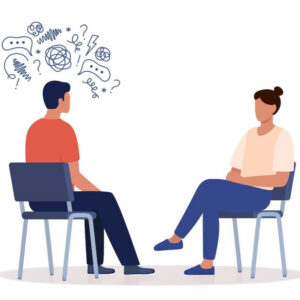
The number of sessions varies depending on the individual and the issue being addressed. In many cases, noticeable improvement occurs within one to three sessions, although some goals may benefit from a short programme of sessions.
Follow-up sessions: £80
Stop Smoking – 2 sessions – £190
Pregnancy & Birthing – 3 sessions – £240

Sessions are held in my consulting room at:
West Chiltington, near Horsham
West Sussex
RH20 2QY
I also offer sessions online via: • Microsoft Teams • WhatsApp • FaceTime
Local home visits may be available if you are unable to travel due to disability.
 Yes for most issues. Many clients find online sessions just as effective as in-person sessions. Online sessions can also be more convenient, allowing you to relax in your own environment without the need to travel.
 Self-hypnosis involves using simple relaxation and focus techniques to guide yourself into a calm state where positive suggestions can be more effective. Some clients learn self-hypnosis techniques during sessions or use audio recordings to reinforce the work between appointments.

Yes. Hypnotherapy can be very effective for children and young people because they tend to have strong imaginations and respond well to guided imagery and relaxation techniques.
It may help with issues such as:
• exam stress
• sleep problems
• bed-wetting
• fears and phobias
• confidence and self-esteem
Sessions are always adapted to be age appropriate.
 Many hypnotherapists train through diploma courses, which provide practical training in hypnosis techniques. A degree-qualified hypnotherapist has completed a more extensive academic programme which includes areas such as psychology, neuroscience, and research methodology. This broader education can provide a deeper understanding of how thoughts, emotions, and behaviour interact, helping inform a more comprehensive therapeutic approach..